




By Kade Brewster
•
February 12, 2026
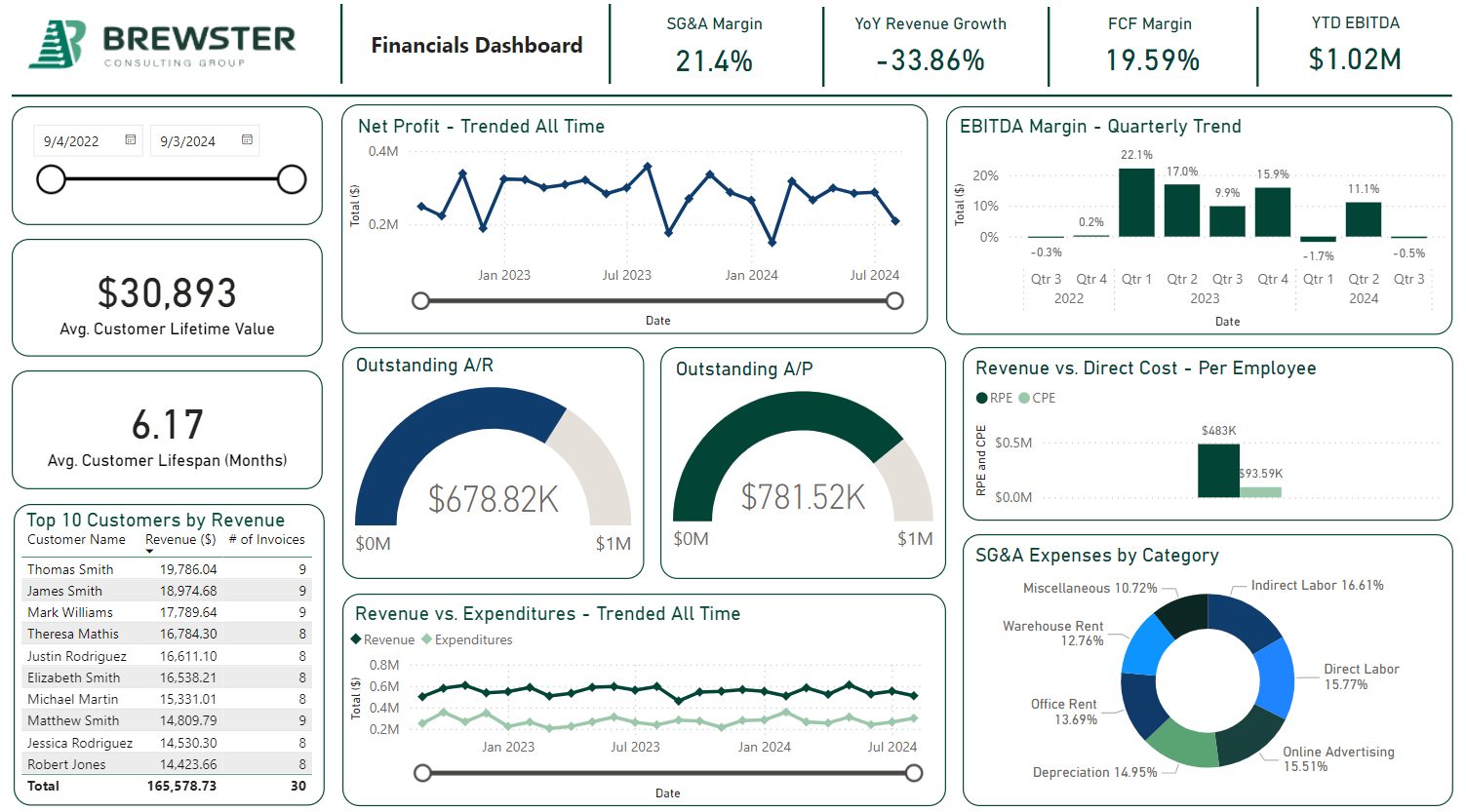
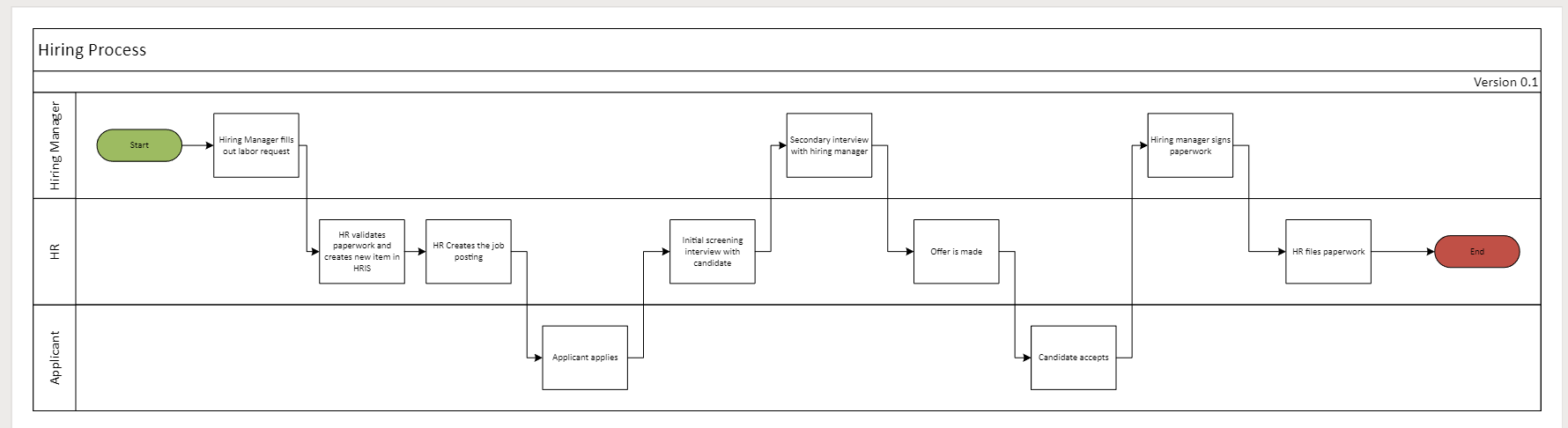
Every company says they’re data-driven. Almost none of them are. Being data-driven doesn’t mean having dashboards. It doesn’t mean running a report after the decision’s already been made. And it definitely doesn’t mean cherry-picking the number that supports what your gut already told you. Being data-driven means your data actually changes the decision. It means the answer surprises you and you follow it anyway. Most organizations aren’t set up to do that. Not because they lack data, but because they haven’t built the foundation that makes data trustworthy, connected, and actionable enough to actually override gut feelings. That’s what the Data-First Doctrine is built to fix. We’ve deployed this framework inside a multitude of organizations. It’s not a methodology deck that collects dust. It’s an operating system. Four interlocking pillars that take an organization to genuinely data-driven decision making. Here’s how it works. Pillar 1: The Process Maturity Framework Everything starts here. Before you can measure anything, you need stable, defined processes to measure. The Process Maturity Framework is the cornerstone of the Data-First Doctrine. We use an 8-level maturity scale that gives leadership a clear, honest picture of where their critical processes actually sit. Most organizations we assess land somewhere between Level 1 (the process exists but nobody owns it and nothing is documented) and Level 3 (someone drew a process map and identified key metrics, but there’s no standardization). The Process Maturity Framework has three phases. Levels 1–3 focus on definition, ownership, and understanding. Levels 4–5 push into standardization, measurement systems, and defect reduction. Levels 6–8 are where automation, innovation, and AI integration become possible. The first step of the Data-First Doctrine is to move critical organizational processes up to level 3 on the Process Maturity Framework. This will set the foundation for the work to come and will include clearly documenting and defining KPIs on core processes. Here’s the critical insight: you cannot automate a broken process. You’ll just automate the dysfunction faster. The Process Maturity Framework forces organizations to earn the right to automate by building the foundation first. Pillar 2: The Data Foundation Model Once your processes have reached level 3 on the Process Maturity Framework, the focus shifts to level 4. Level 4 is focused on standardization and measurement systems. This is where the Data Foundation Model comes in. In order to become data-driven you need a structure for that data that actually drives decisions. Most executives obsess over revenue, retention, and P&L. Which is fair, that’s the scoreboard. But here’s the problem: revenue is a lagging indicator. You can’t “fix” revenue. You can only fix the behaviors and operations underneath it that drive the result. The Data Foundation Model organizes your analytics into three tiers: Tier 1 — Executive Analytics (The Scoreboard): Revenue, P&L, NPS, customer acquisition cost. This tells you if you’re winning. Tier 2 — Operational Analytics (The Levers): Branch profitability, SLA performance, turnover rate, goal achievement. This tells you why results happen. Tier 3 — Performance Analytics (The Activity): Transaction-level data, cost per transaction, performance by employee, inventory levels. This tells you what actually happens. The power is in the hierarchy. When the scoreboard shows a problem, you pull the thread down through the levers to the activity level, and you find the root cause. No guessing. No opinions in a conference room. Data connected from top to bottom. This is called a hierarchal data structure, and it allows you to drill all the way through the hierarchy from executive measures to performance/transaction level details. Only with this structure of data can you properly diagnose issues and evaluate root causes. This pillar ties directly to achieving Level 4 on the Process Maturity Framework and continues to advance your organization towards a truly data-driven environment by building data structures that enable it. Pillar 3: The Role Clarity Engine You can have perfect processes and pristine data, and it still won’t matter if you have the wrong person in the seat or the right person in the wrong seat. That’s where the Role Clarity Engine comes in. Once you’ve established the data foundation model, you’ve built measurements systems that allow for effective evaluation of talent. It’s time to align talent appropriately throughout the organization. The Role Clarity Engine can be visualized as a wheel that starts with a Nucleus . The Nucleus is the center of the wheel and represents an individual’s fit in a specific role. Specifically, it represents the intersection of a person’s behavioral fit (persona), skill fit (capabilities), and motivation fit (desire). If the Nucleus is weak, the wheel breaks. But even with a strong Nucleus, people fail when organizations don’t clearly define three core components for executing within a role: Authority (what decisions can this person make?), Activity (what processes must they execute?), and Accountability (what metrics do they own?). Without this clarity, your best people burn out doing too much, your average people hide behind ambiguity, and nobody can tell you who actually owns the outcome. You must have the right Nucleus fit for a role, and then empower them with authority, defined activity, and clear accountability if you want them to be successful. The Role Clarity Engine is the key component to advancing a process to level 5 on the Process Maturity Framework. Pillar 4: Neural Business Architecture At this point you’ve advanced your critical processes through level 5 on the Process Maturity Framework, you have effective measurement systems and structures, and appropriate talent alignment within roles. Now it’s time for the payoff. Traditional businesses are reactive. A human sees a problem, investigates, decides on a fix, and implements it. That works, but it doesn’t scale. Neural Business Architecture is about building what we call an Intelligence Circuit — a four-step loop that turns your business into a proactive, self-correcting system: Step 1 — The Sensor (Detection): The system ingests live data from your Data Foundation Model. Inventory drops below a threshold. A KPI moves outside its normal range. The system sees it in real time. Step 2 — The Brain (Cognition): AI and logic apply rules and predictive models. Instead of a human noticing the problem next Tuesday, the system predicts demand for next week based on seasonality and trend data. Step 3 — The Hand (Execution): The system acts without human intervention. A purchase order fires automatically. A workflow triggers. An alert routes to the right person. Step 4 — Calibration (Learning): The system checks the result and evaluates, did the vendor deliver? Did the intervention work? And most importantly it then updates the model for next time. This isn’t just automation. It’s a self-correcting organism. And it’s only possible because Pillars 1–3 built mature processes, reliable data, and clear role definitions required to trust a system to act on your behalf. By the time an organization reaches Level 6 on the Process Maturity Framework, the foundation for this kind of digital transformation is already in place. The Bottom Line The Data-First Doctrine isn’t about buying new technology or integrating the latest buzzword into operations. It’s about earning the right to use it. Stabilize your processes. Build a data structure that connects activity to outcomes. Put the right people in clearly defined roles. Then, and only then, wire it all together into a system that thinks, acts, and learns. Most organizations try to start at Pillar 4. They want the AI, the automation, the dashboards. But without the foundation, those investments underperform or outright fail. If you want to truly be data-driven, start with the foundation. The rest follows. Download Data-First Doctrine Here